Discover the island’s ghost stories, ancient myths and mysterious places on a self-guided tour
From haunted-hotel folklore to the landscapes of ancient gods, each stop reveals a different story. Legends, religious traditions and documented history are identified below.
01 / Ghost folklore
The Hotel of Whispers
Berengaria Hotel · Prodromos
High above Prodromos stands a hotel that became almost as famous for its ghost stories as its grand past. Tales describe a dark-haired woman in white appearing at the windows and mysterious presences wandering the empty halls. These are legends: the often-repeated story of three cursed brothers is contradicted by the hotel’s own history. Now undergoing restoration, Berengaria is beginning another chapter.
View the exterior from the public roadside without entering the construction site.
A whisper, a handkerchief and a fatal suspicion. Shakespeare’s Othello made Cyprus the setting for one of literature’s most famous tragedies. Around Famagusta’s castle, the story acquired a ghostly afterlife: tales tell of Desdemona’s cries carrying through stormy nights and her spirit pacing the tower. This is literary folklore, rather than evidence that Shakespeare’s fictional murder happened here.
Look for the carved winged lion above the castle gateway.
Clinging to a mountain ridge, St Hilarion feels like a castle built for a fairy tale. According to local legend, it has 101 rooms, but only 100 can be found—the last is enchanted. A darker tale surrounds Prince John’s Tower, where bodyguards suspected of disloyalty were said to have been thrown to their deaths.
Expect steep steps and uneven paths through the castle.
A tree hung with colourful pieces of cloth marks the entrance to an underground sanctuary. Tradition tells that Solomoni sheltered inside a cave to escape persecution, only for its entrance to be sealed. When it was opened 200 years later, she emerged alive. Above the chambers, offerings on the sacred tree reflect a continuing belief in its healing powers.
The sacred tree and entrance are visible above ground; leave offerings undisturbed.
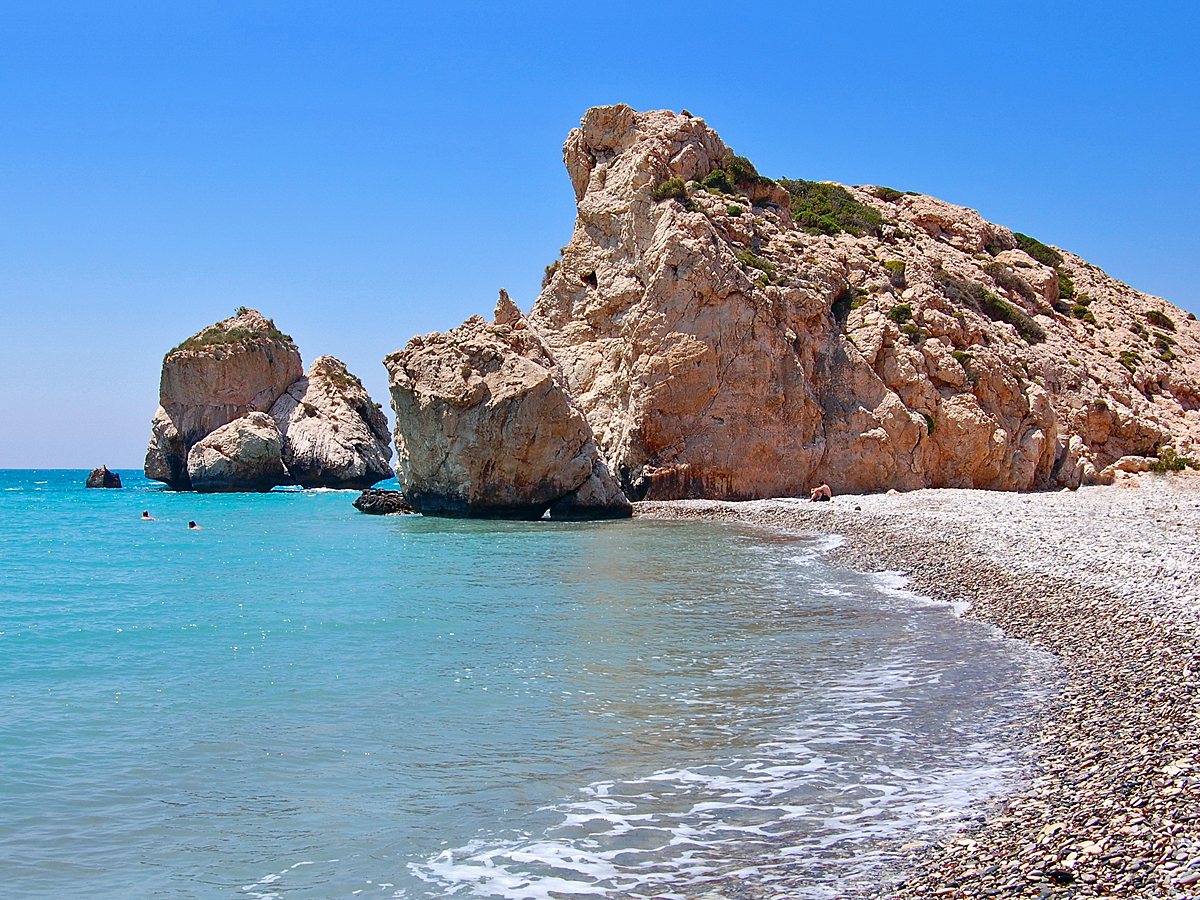
Here, the sea becomes a stage for two of Cyprus’s great legends. Aphrodite, goddess of love and beauty, is said to have risen from the sea foam along this coast. Another tale credits the mighty Digenis Akritas with hurling enormous rocks into the sea to repel invaders. Gods, heroes and a coastline that needs little help from imagination.
Enjoy the rock formations from the shore or viewpoint.
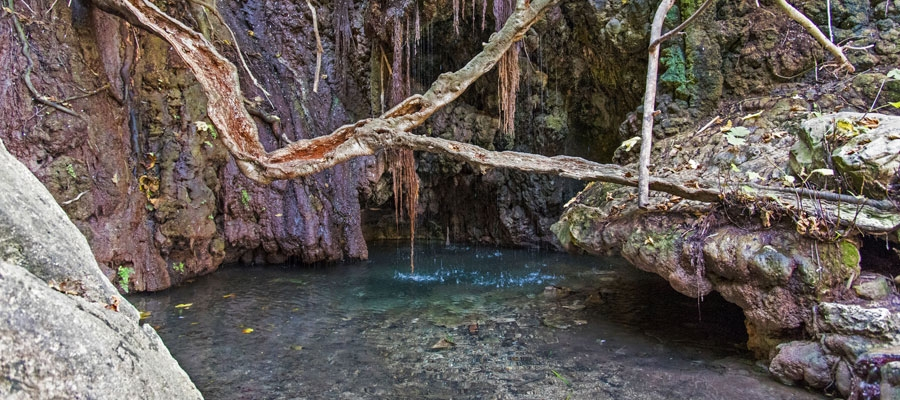
Beneath an old fig tree, a shaded grotto shelters a small pool—the legendary bathing place of Aphrodite. The story tells that Adonis stopped here for a drink while hunting. On drinking the water and seeing the goddess, he fell in love with her. The setting remains wonderfully intimate: rock, tangled greenery and water hiding beneath the leaves.
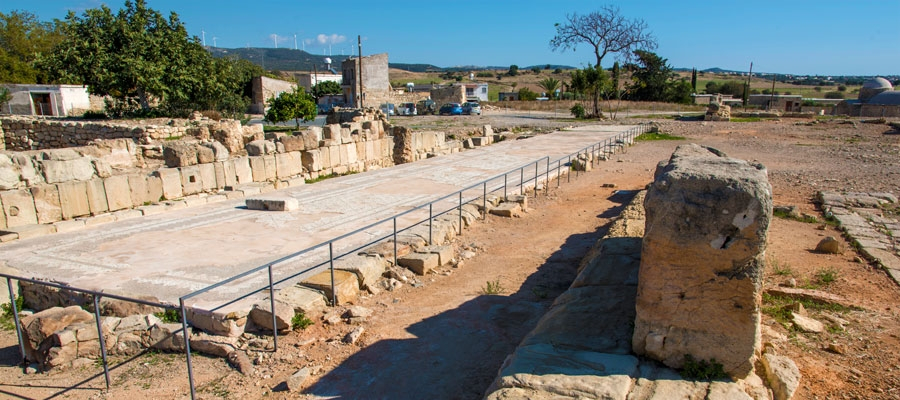
After discovering Aphrodite’s legendary birthplace and bathing pool, step into a place where people actually worshipped her. At ancient Palaipafos, the sanctuary connects the stories of the goddess to Cyprus’s archaeological past. Here, mythology was more than a tale—it shaped belief, ritual and the identity of the island.
An archaeological site with opening hours and admission arrangements to check before visiting.
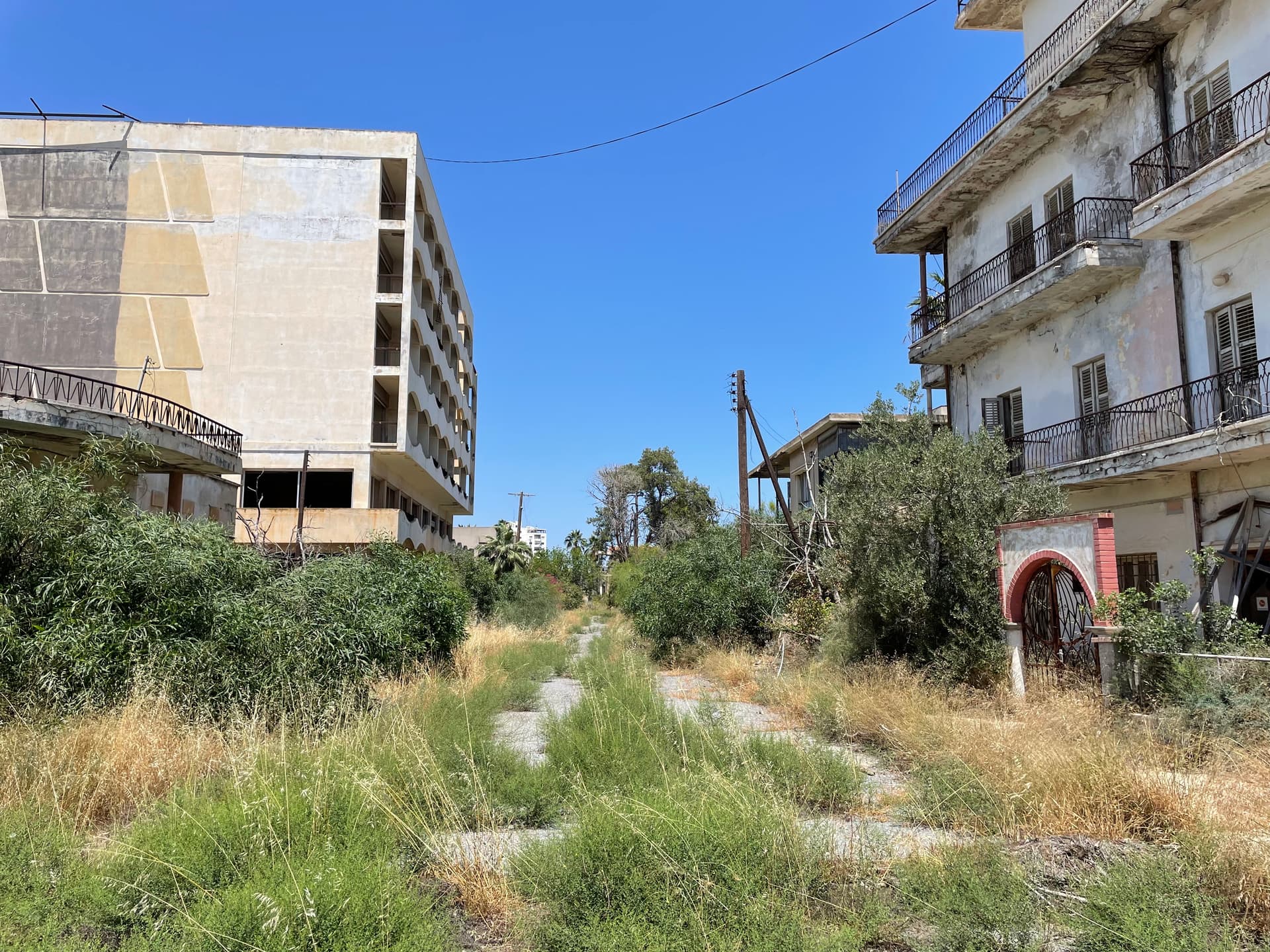
Some places need no supernatural story to leave an impression. Once a busy seaside resort, Varosha was emptied during the events of 1974 and remained closed for decades. Today, designated visitor routes pass silent hotels and deserted buildings. Its “ghosts” are the traces of the lives people left behind—a real history of displacement, rather than a claim of haunting.
Stay on designated visitor routes; abandoned buildings are not open to enter.
Check opening hours before travelling and follow local access signs. Famagusta and Kyrenia stops may involve a checkpoint crossing, depending on your starting point.